There's more to your writing than the final draft.Show how it came together.
Write, revise, and choose when to ask AI for help. Share a receipt of the AI suggestions you accept and the pastes Click Clack records.
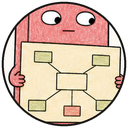
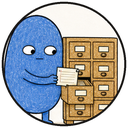
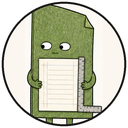
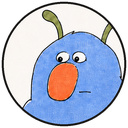
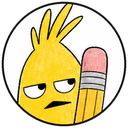
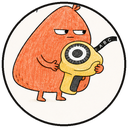
Plop · writing companion
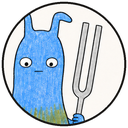
Pippa · line editor
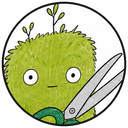
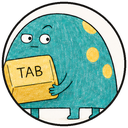
Moss · story editor
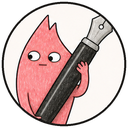
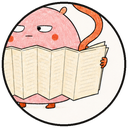
Nib · continuity editor
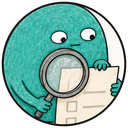
Dot · research
The First Powered Flight
Saved in your sessionSaved in your session. signature verified512 words · revision 18
The Wright Flyer left the ground at Kitty Hawk and covered one hundred and twenty feet. Wilbur flew farther that afternoon, nearly a minute in the air. Within a decade, aeroplanes were crossing the Channel.
Cadencesuggests a changeSignedsignature verified
Original: The Wright Flyer left the ground at Kitty Hawk and covered one hundred and twenty feet.
Proposed: On 17 December 1903, the Wright Flyer left the ground at Kitty Hawk and covered one hundred and twenty feet.
A history essay dates the event on the first sentence. 17 December 1903 is the morning of the first flight. The reader should not have to guess.
The work behind the words
A finished page leaves a lot out. The question you started with. The sentence you reworked. The suggestion that helped you find a clearer way to say it.
In Click Clack, you choose when to ask for help, which suggestions to accept, and what to revise. The decisions stay yours.
Share your draft with a record that gives readers more of the story.
Show readers how your draft took shape. Download a signed receipt with your manuscript, accepted AI suggestions, and recorded pastes, ready to share with your teacher or editor.
Cadenceclarity and voice editor
SignedSuggested by Cadence. signature verified
"On 17 December 1903, the Wright Flyer left the ground at Kitty Hawk and covered one hundred and twenty feet."
Accepted
In this session · revision 18
Signed
2026-08-12 09:14 UTC
Key
ccpk_1AB2-9ZY8-QW3E
Can I use AI and still keep my voice?
You choose what to ask, accept, and change. Get a fresh perspective on your writing while keeping the final say.
Will the receipt change my manuscript?
No. Your manuscript stays unchanged. The receipt is a separate file you can choose to share.
What can I share with a reader?
Share your draft with more context: a signed record of accepted AI suggestions and recorded pastes.
Packs
Pick a pack.Or make your own.
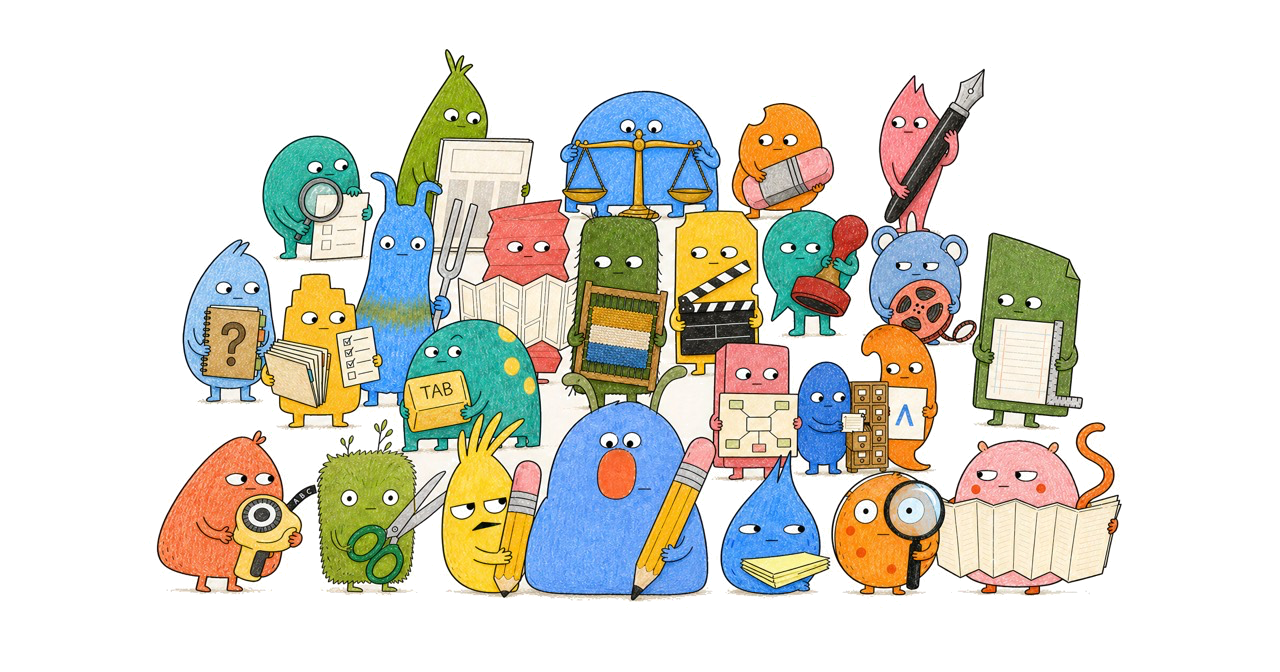
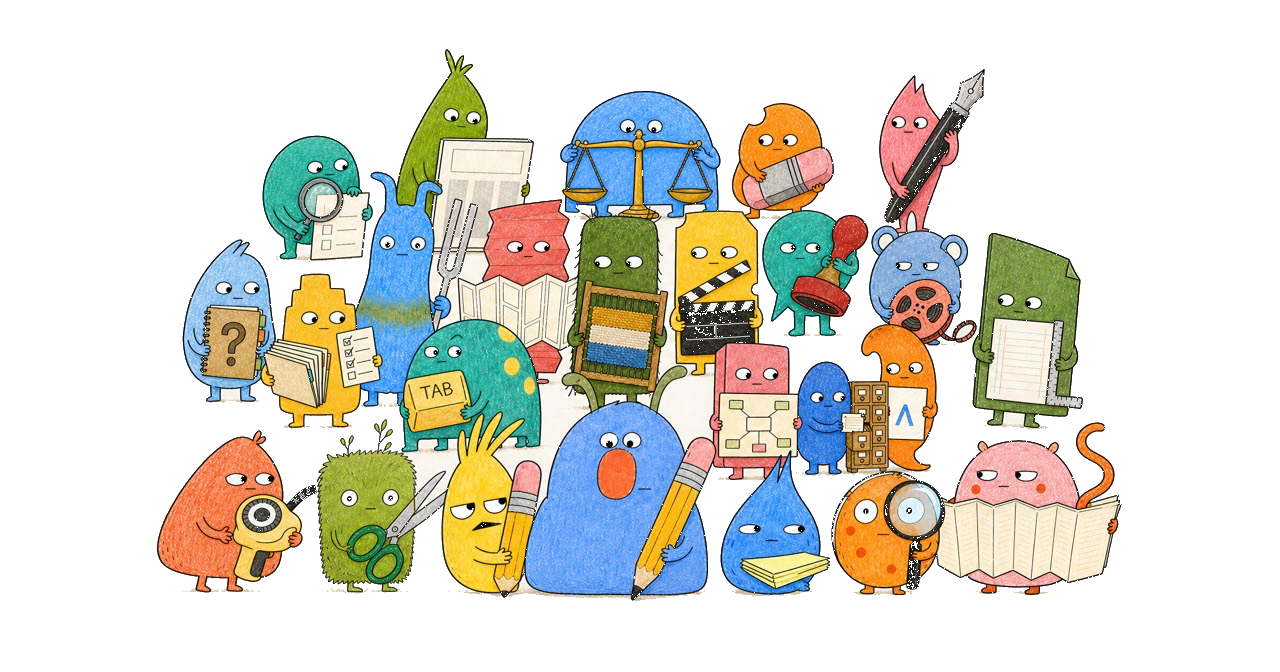
Each pack is a small team of AI writing specialists. We call them Figments. Ask for another set of eyes, review the suggestions, and choose what belongs in your draft.
Essay
A tiny university writing centre.
Plan, assess, and revise from material you provide.
Queryassignment and research planner
Siftsource evaluator
Casethesis and argument architect
Citeevidence and citation specialist
Cadenceclarity and voice editor
Folioformatting and submission checker
What they reach
The selected passage and surrounding document context, including assignment rules, source text, metadata, and notes supplied there.
What they do
They propose text edits. They do not browse, retrieve sources, alter supplied evidence, accept their own edits, submit coursework, promise a grade, or promise immunity from an academic-integrity process.
Query interprets the assignment and defines the research problem.
Sift evaluates the supplied material and builds the evidence ledger.
Case develops and stress-tests the argument.
Cite integrates and formats evidence in the selected style.
Cadence improves the stable draft’s clarity and voice.
Folio checks presentation and unresolved submission risks.
Fiction
A tiny editorial department.
Line, story, and continuity editing for a manuscript.
Plopwriting companion
Pippaline editor
Mossstory editor
Nibcontinuity editor
What they reach
The draft you open them in, and its notes.
What they do
They propose text edits. Every change waits for you.
Pippa tightens the line.
Moss checks the shape of the scene.
Nib checks it against everything you have already written.
Article
A tiny newsroom desk.
Verification, structure, standards, concision, and headlines for reported articles.
Tallyfact checker and source auditor
Ledestructure editor
Scopestandards and context editor
Trimconcision editor
Bannerheadline and dek writer
What they reach
The article draft you open them in, plus source notes, interviews, transcripts, datasets, and style guidance supplied in the material they can read.
What they do
They propose text edits. They do not publish, alter sources, silently resolve an unsupported claim, or create visual content.
Tally audits factual support and names gaps.
Lede shapes the article around what the reporting can support.
Scope reviews framing, context, and attribution.
Trim tightens stable copy without removing necessary qualification.
Banner writes headline and dek options from the stable article.
Product
A tiny product writing department.
Microcopy, voice, usability, and localization for interface language.
Tuckmicrocopy editor
Humvoice and style keeper
Tabusability and accessibility reviewer
Tildelocalization editor
What they reach
The draft, its interface strings, and style guidance supplied in that material.
What they do
They propose copy. No Figment in this pack changes product behaviour or ships a string.
Tuck makes the string purposeful, concise, conversational, and clear.
Hum checks voice, terminology, pattern, and tone.
Tab checks whether the user can understand, navigate, recover, and access it.
Tilde checks whether the source and its translations can travel.
Social
A tiny content studio.
Posts, articles, newsletters, video scripts, and channel-native adaptations from one truthful source.
Loomblog writer
Foldnewsletter writer
Cuevideo scriptwriter
Quipsocial post writer
Echorepurposing editor
What they reach
The draft plus voice guidance, sources, and channel notes supplied in that material.
What they do
They draft and adapt text. No Figment in this pack schedules or publishes.
Loom builds the source spine and long-form draft.
Fold shapes one newsletter issue from subject line to sign-off.
Cue turns selected sections into spoken beats and visual notes.
Quip compresses one approved claim at a time into short-form copy.
Echo adapts the approved material to each channel.
Coming soon
Make a Figment
Or hire your own
Give it a job, connect what it may read, and set what it may do. It signs its work.
1 · Name the jobA title, a one-line brief.
2 · Choose its toolsIt reads only what you connect.
3 · Set the rulesYou approve its scope before it starts.
Share the story behind your draft
You choose the help. You shape the draft. Accepted Figment suggestions are signed and chained to the draft so the record can be checked. Share the receipt to show what Click Clack recorded, including recorded pastes and suggestion decisions.
 Cadencesuggests a changeSignedsignature verified